
All experience is psychoactive. We perceive things around us and our nervous systems bounce us up and down and back and forth, to and fro, over the river and through the woods.
Slot machines and short-form social media share the same immediate payoff in our brains. We are tuned to focus on things that stand out, on change or novelty. The bump follows from both reward and uncertainty.
Fifty percent gives a peak hit. Twenty-five and seventy-five are roughly the same. This seems counterintuitive. But change is what really tweaks the experience.
At the creature level we are on the lookout for risks and opportunities, danger and potential reward. None of this is flat or mechanistic; it needs to tilt and balance much faster and with greater lability to perform adequately for natural selection.
Think of how you experience disappointment. You feel a need to order some food and want to try something new. Where did these intentions and motivations come from?
You order the food online after a bit of searching and what feels like deliberation and imagining what this dish will taste like. If you are being really thorough because money is tight and you also hesitate about new things, you may read reviews.
The feeling of finally deciding is both anxious and pleasurable. While you wait for delivery your nervous system returns to baseline. The basic parts actually go into a below baseline state first but it is difficult to say we can feel that in any detail.
The food arrives sooner than expected which feels good. If the wait is longer, anxiety starts to rise. In either case, say when you taste it, it is way off from your expectations. This jerk chicken is horrible! How is that experience intensified or diminished by faster or slower delivery time?
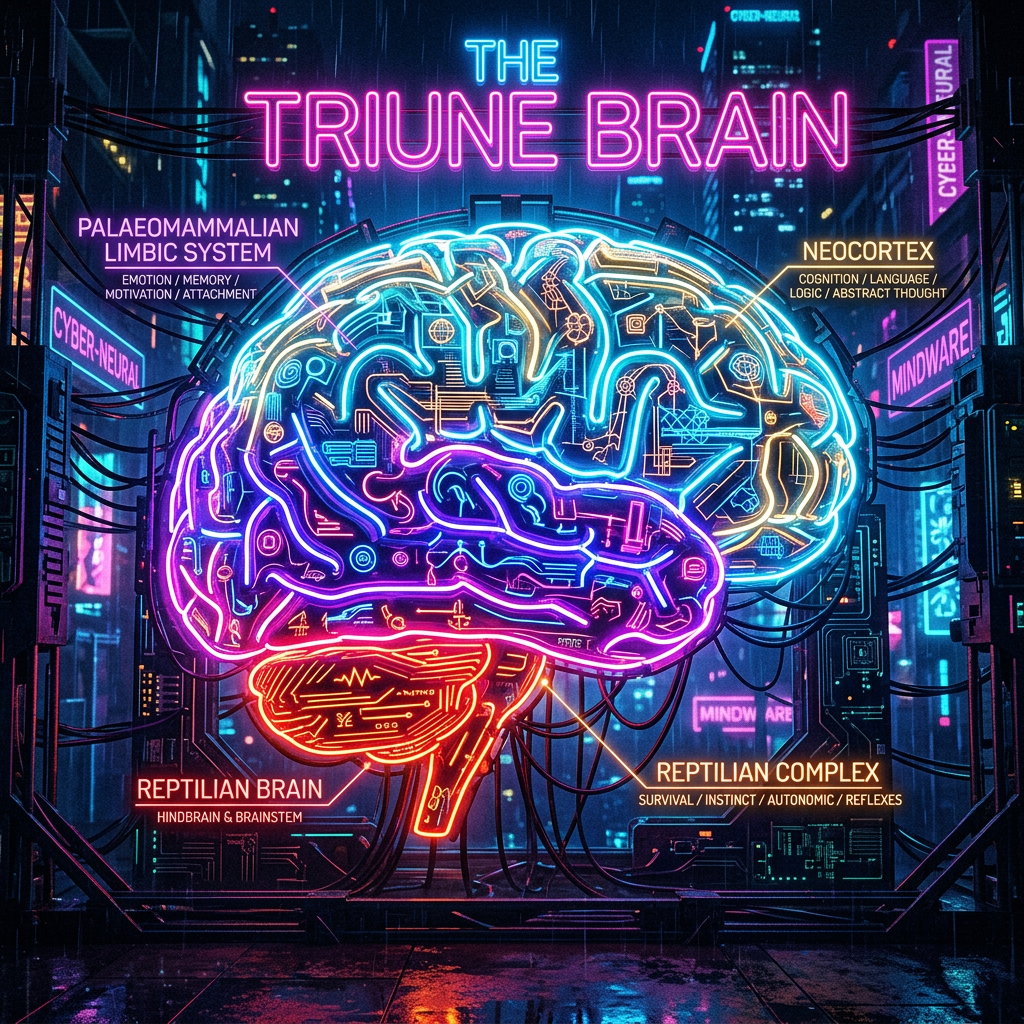
I have just described something almost anyone reading this will follow and can “relate” to. We know the feelings and the twists and turns of the tale, of our emotions in the experience or as we read.
For many of us, our threshold for impulse control has been worn down over a lifetime with the innovations of telecommunications, supply chain efficiency, a rich consumer economy, all of it building certain interdependencies we now take for granted.
We expect things like getting stuff we order online not only to be easy but also to be satisfying and fulfilling of our desires.
We bring similar expectations to our consumption of content. Short form content is like candy or popcorn we snack compulsively with quick bumps to our brain and rapidly rising threshold for tolerance requiring more stimulation to reach the same level of satisfaction.
I am not inclined to go full Stoic or weird out in a Buddha way about all of this. I am more interested in figuring it out and feeling it as it happens, the same as if I were monitoring my levels of intoxication as I drink cocktails before dining or how tired I am or if my knee is in pain.
Or if someone gives me a dirty look or the election does not go in my favor or my sports team is losing and I feel lousy because my pet is ill, or because I have no dog or cat or parrot to give my days meaning.
Suddenly I see that I am alone with my screens, looking for connection in a frenetic, disconnected way. Will jerk chicken make me feel better about myself?
The effect of this string of possibilities is also a thing to pay attention to. How does it make you feel, as opposed to a more coherent and longer description, like the simple description of ordering food?
I am neither a scientist nor a psychologist. I am first a person and perhaps next a poet. In either case, I use words to impact others’ nervous systems. My nervous system has developed these reciprocal skills, as has yours.
I have made an effort here to be more relaxed in my descriptions and explanations. The goal is to have these insights on the surface of experience, the explanations to come to mind as readily as we understand and can describe simple physical movement.
The few descriptions of our internal reward and impulse control systems I have come across in my unmethodical reading tend to compartmentalize, focusing on dopamine and mesolimbic pathways.
This fails to capture not just the entire mesocorticolimbic system and how it functions in the brain, but also the fact this is about whole being experiences we are having all of the time.
The popular understanding of these things has distorted what should be very clear. After all, we all experience this stuff constantly. We should be much better at identifying what’s going on or what has just transpired previously, if not managing it in the moment.