
Part 1
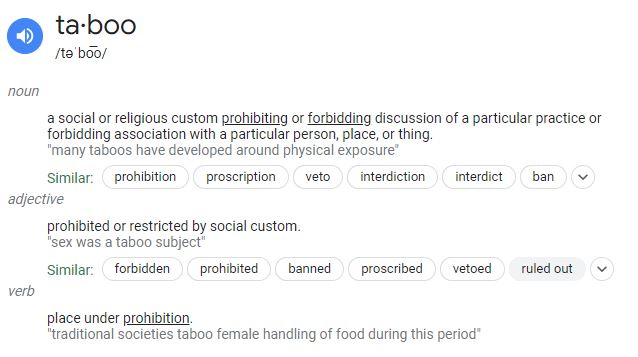
At a pop-up Don’t Tell Comedy event last Friday night in Culver City, California, comedian Ellen Harrold had a series of jokes about sleeping and dreaming which reached a kind of edgy climax with “the dad dream we’ve all had.”
The audience was mostly on the young side. It was BYOB. I was sitting beside two young women who had some disgusting cooler kind of drink, not White Claw, but something similar.
I had considered bringing an actual cooler with olives, vodka and vermouth already chilled but with some ice in reserve, a martini shaker. At the last minute the idea seemed too contrived. I had not been sober that late in the evening for some time.
The audience understood what “the dad dream” was about without further explanation. In case there were a few folks whose sensibilities prevented them from even considering such possibilities, Harrold repeated “the dad dream” three times in her subsequent sentences, just to be sure the gist found purchase and harvested the laughs.
Although we may not all become fond of both oysters and snails, if we live long enough and remain active and curious, we do come to realize that human tastes and appetites are as vast as the human imagination.
I have not done any research at this point to see what has already been posited on the subject, but it seems to me there is a nexus of fascination about forbidden things which includes both attraction and disgust, repulsion that strangely also draws us back.
This is, of course, not limited to sexual matters. The glib cliches, such as rules are made to be broken, provide examples of how common these proclivities are in our neurological wiring. The Internet also may have given everyone instantaneous access to all manner of disgusting possibilities but certainly people have always felt the draw.
When driving past a traffic accident, most of us rubberneck. We cannot resist the urge to see what happened. This is more than John Donne’s no man is an island premise. It seems especially to apply to the fundamentals of life itself, eating and sex, sensual and visceral matters, which are the province of very specific areas of our brains.
Take for example how over the course of their lives, people often seek out new foods to try. We develop tastes for things that repulsed us as children. That makes sense when we consider how broadening our tastes can be an advantage for survival.
Yet in the case of habits that prove detrimental to our survival, the attraction/repulsion factors also apply. Habituation and addiction to tobacco and alcohol are obvious examples. Eating and sex we now recognize as having similar addictiveness and potentially pathological conditions.
Eating disorders are now well accepted, even if there are still holdouts who may or may not have known anyone with bulimia or anorexia. The stigma against the obese, even held by the victims of the underlying biology themselves, remains a stubborn sticking point in our common folk understanding.
We see the same thing in the changes in attitudes towards sexuality. Different is no longer synonymous with deviant when it comes to gender identity and the range of human sexuality.
Let us consider these matters from another angle, however, before we join hands and cheer in a kumbaya moment. Before we congratulate ourselves on progress, let’s consider the underlying reasons we are strongly interested and find thrills in things that frighten and excite us, largely because they are forbidden and even sometimes run contrary to our better judgment.
Shame is actually part of the reason. Humans develop addictions to things, and behave in ways widely held in contemporary terms to be unacceptable, not because they are morally bad, but because of underlying conditions outside human control. Those people lived with guilt and shame prior to scientific discoveries and enlightened exculpation.
On the other side of these matters, part of the guilty pleasure is the fear of being found out. For it is also true that humans find excitement in cheating, breaking rules either openly or secretly. Part of the thrill of things we find attractive and disgusting, even as we do them is a pleasure in being naughty.
Of course, not everyone indulges themselves in these ways. There may be some persons who never do anything even in their imagination that everyone else on Earth would consider wholly boring and, yup, that’s nothing to take note of let alone be shocked by.
However, even those persons have the same working parts and chemical processes of the brain which cause all of us to seek some things and avoid others. For instance, all mammals have the gag and vomit reflex which uses the same areas in the human brain to inspire moral disgust.
To be continued…
 I Dwell In Possibility